

Type IS Cement: Slag Blended for Durability and Lower Carbon

Type IS Cement blends slag with Portland cement, cutting clinker content while improving long-term strength, sulfate resistance, and durability. A practical way to produce better concrete and lower its carbon intensity at once. Our Type IS Cement meets ASTM C150 and C595 specifications.

The Advantages of Using Slag Cement 

Slag reacts more slowly than Portland cement, and that slower reaction is an advantage in higher temperatures, in mass concrete, or in mix designs requiring higher cement contents. Concrete made with Type IS cement keeps gaining strength well past the ages at which ordinary concrete strength has levelled off, and its refined pore structure resists sulfates and chlorides. Lower heat of hydration also helps in mass pours, where controlling thermal cracking matters.

lbc-stmaryscement-oct2025-64

Brochures

The case for slag

background ribbon

Continued strength gain at later ages, beyond the usual benchmarks.

background ribbon

Improved resistance to sulfate attack and chloride penetration.

background ribbon

Lower heat of hydration, valuable in thick sections and mass concrete.

background ribbon

Reduced clinker content, which lowers the carbon intensity of the cement.

background ribbon

A lighter finished color, which many architects prefer.
Frequently Asked Questions

Type IS Cement Availability

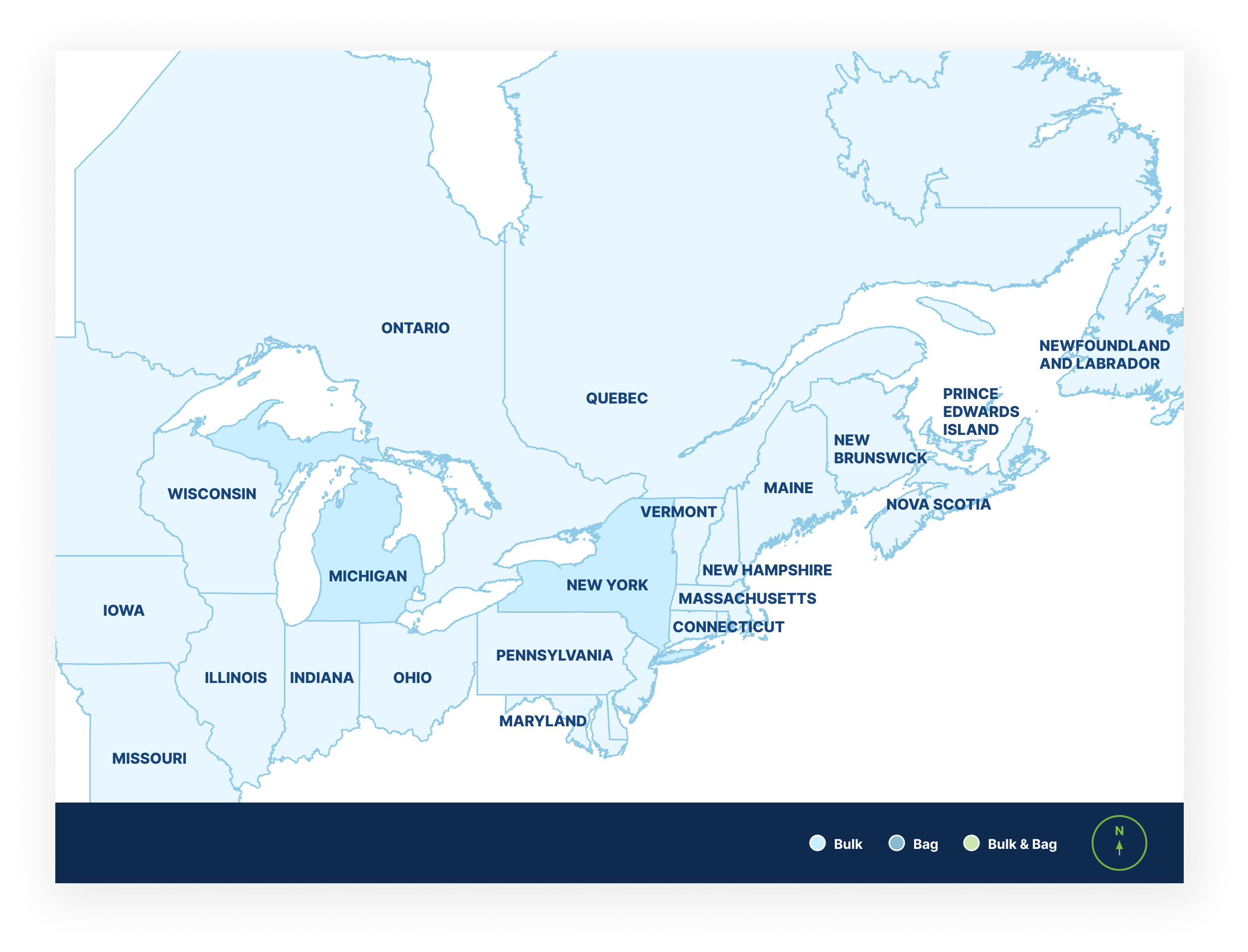
Available in Bulk and Bag:

  • Bulk Availability: Michigan, New York
  • Bag Availability:
Map showing where St Marys Type IS Cement is available across New York and Michigan.
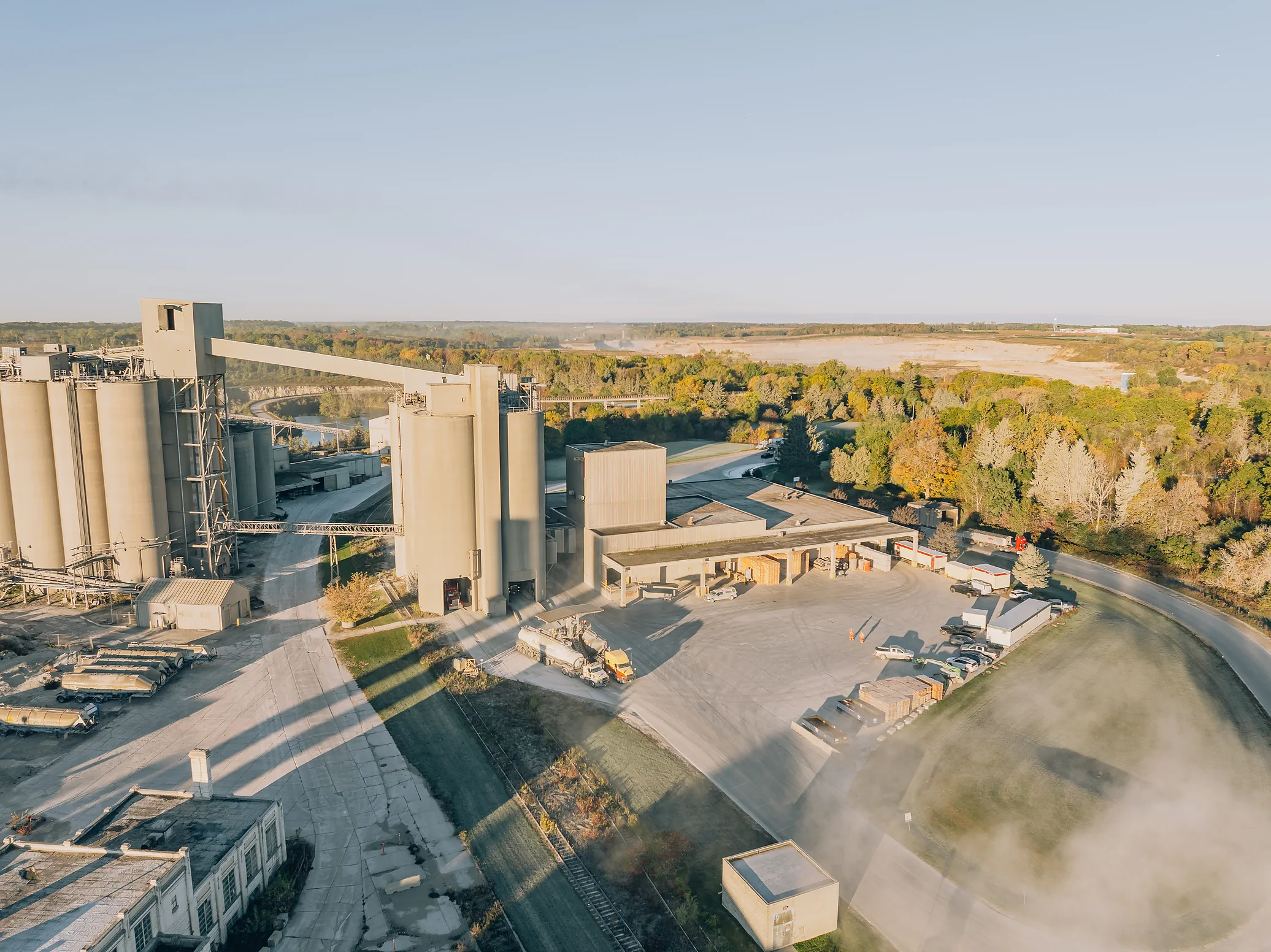
Type IS Cement - aerial view of cement silos, plant buildings and a truck loading yard

Product Data Sheets

Strength development, durability data, and the standards governing this blend are set out in the product data sheet.
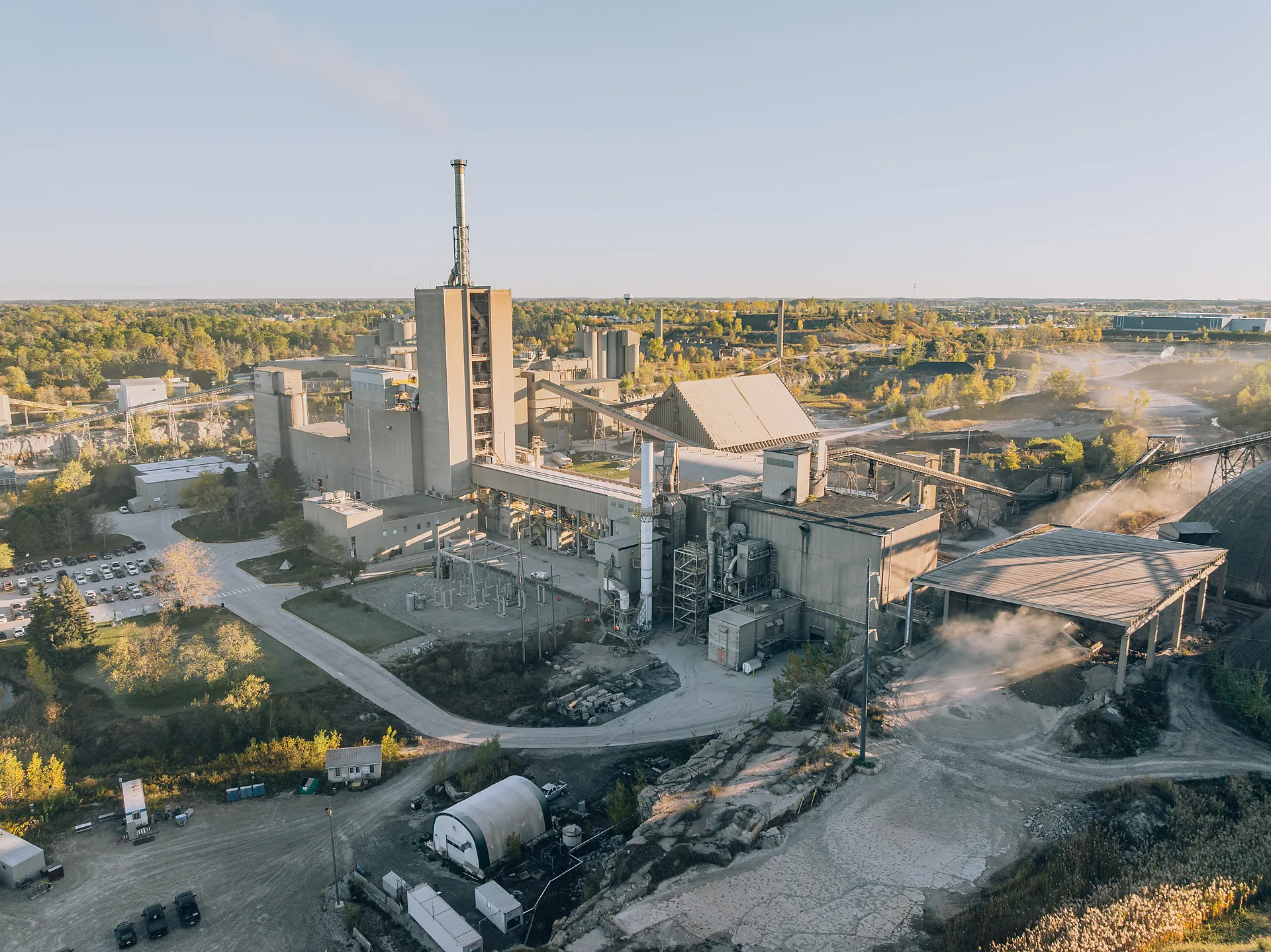
Type IS Cement - aerial view of the cement plant, kiln stack and storage buildings with trucks parked below

Safety Data Sheets

Review the safety data sheet ahead of use for handling, storage, and exposure information.

Environmental Product Declarations

Understanding the environmental footprint of construction materials is essential. Our EPDs present transparent, lifecycle-based data that reflects how our cement products perform from raw material extraction through production. This information allows architects, engineers, and contractors to compare materials and make choices aligned with project sustainability targets.
St Marys Cement logo

Search

Privacy Overview
St Marys Cement

This website uses cookies so that we can provide you with the best user experience possible. Cookie information is stored in your browser and performs functions such as recognising you when you return to our website and helping our team to understand which sections of the website you find most interesting and useful.

Necessary

Strictly Necessary Cookie should be enabled at all times so that we can save your preferences for cookie settings.

Analytics

This website uses Google Analytics to collect anonymous information such as the number of visitors to the site, and the most popular pages.

Keeping this cookie enabled helps us to improve our website.